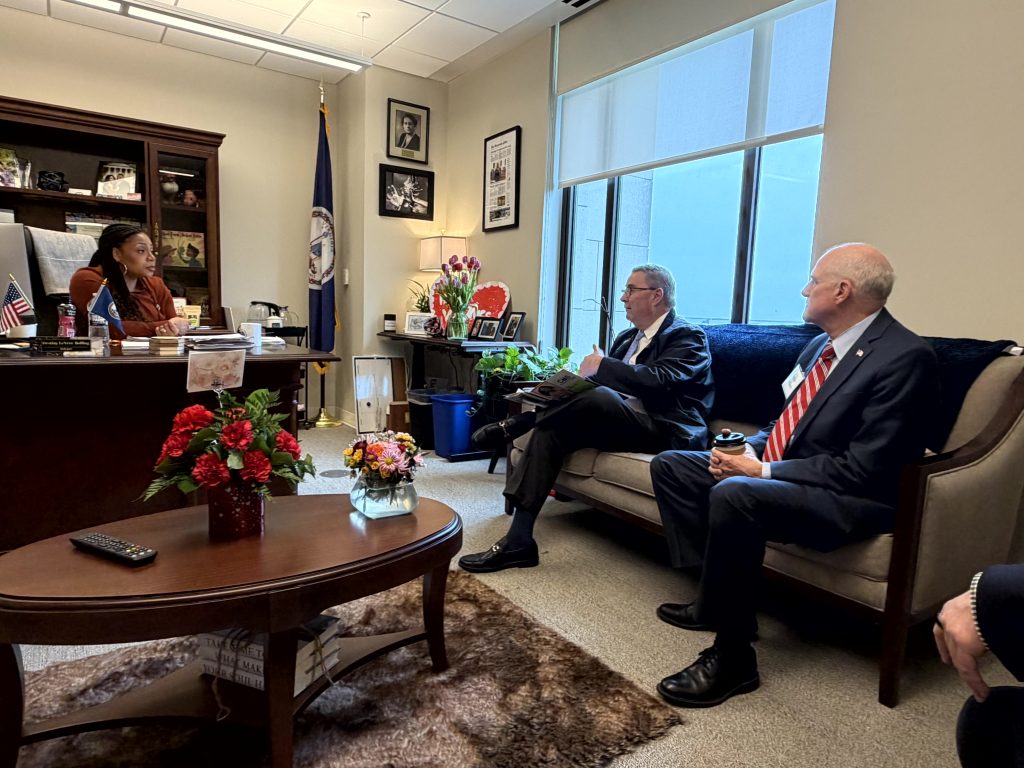
On Advocacy Day 2026 in Richmond, supporters, families, and community leaders gathered at the Virginia State Capitol to speak up for at-risk children and families across the Commonwealth. The day served as a real-time reminder that policy decisions have a direct impact on the lives of youth in foster care. Through meetings with legislators and meaningful conversations, attendees shared their experiences, highlighted urgent needs, and pushed for thoughtful, lasting change.
What Is the Virginia General Assembly and Why Does Advocacy Day Matter?
Each year, advocates from across the state gather in Richmond while the Virginia General Assembly is in session—the time when lawmakers are actively reviewing and deciding on legislation that impacts communities across the Commonwealth.
The Virginia General Assembly is the state’s lawmaking body, made up of the House of Delegates and the Senate. During the session, these legislators introduce bills, debate key issues, and vote on policies that shape everything from education and healthcare to foster care and adoption.
Advocacy Day gives youth and families impacted by the foster care system the chance to be part of those conversations in real time. It’s a day dedicated to meeting with legislators, sharing real stories, and speaking up for the needs of children and families across Virginia. Instead of watching policy decisions happen from a distance, advocates step directly into the process, making sure the voices of those they serve are heard where it matters most.
The Reality of Foster Care in Virginia
More than 5,600 children are currently in foster care across Virginia, and nearly half of them are teenagers. For many, finding a permanent family becomes more difficult with age, making the need for support and advocacy even more urgent.
Each year, only about 31% of children are reunified with their birth families. Meanwhile, roughly 500 youth age out of the system without the stability of a permanent support system. These numbers aren’t just statistics—they reflect real young people navigating uncertainty during some of the most critical years of their lives.
Bringing These Stories to the Virginia General Assembly Advocacy Day 2026
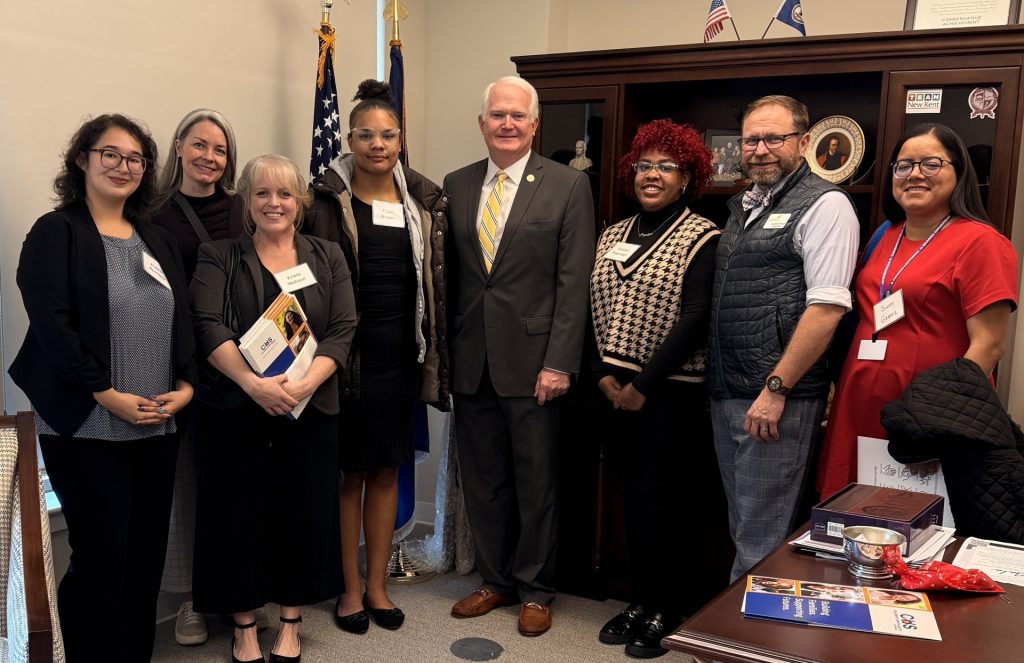
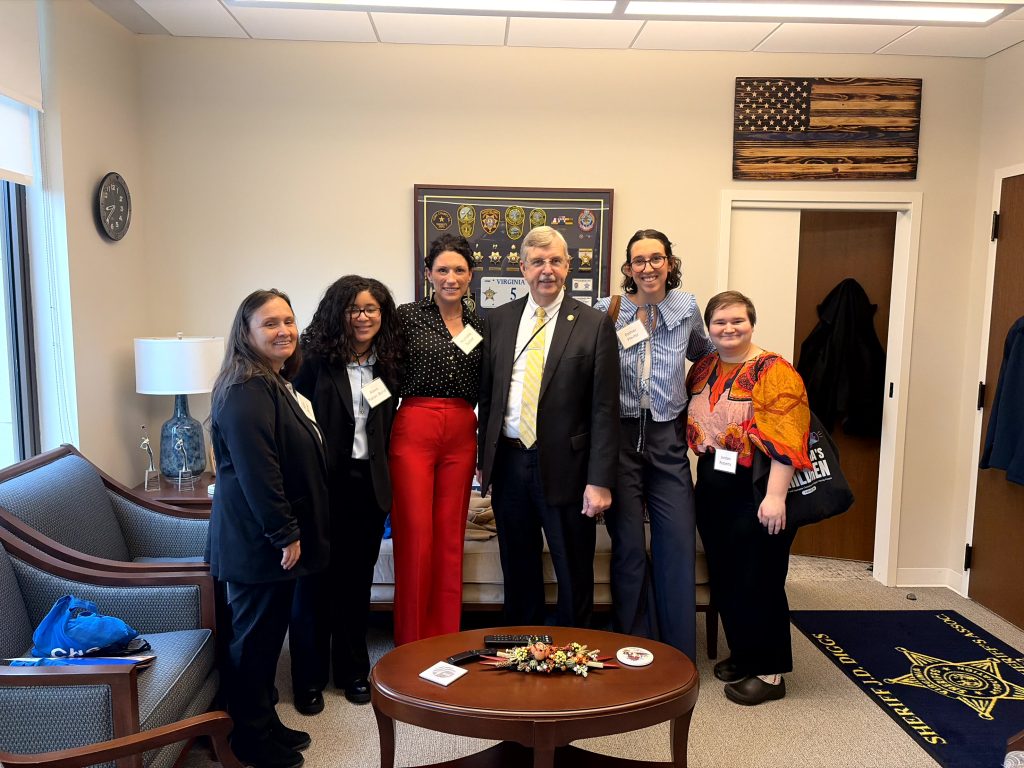
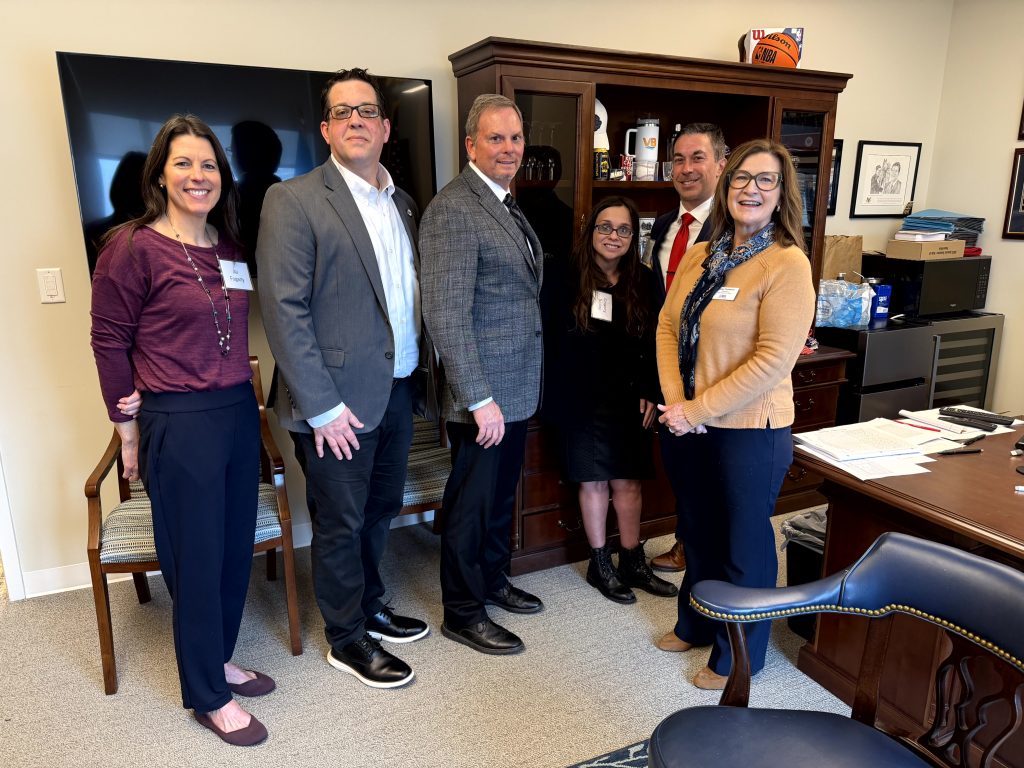
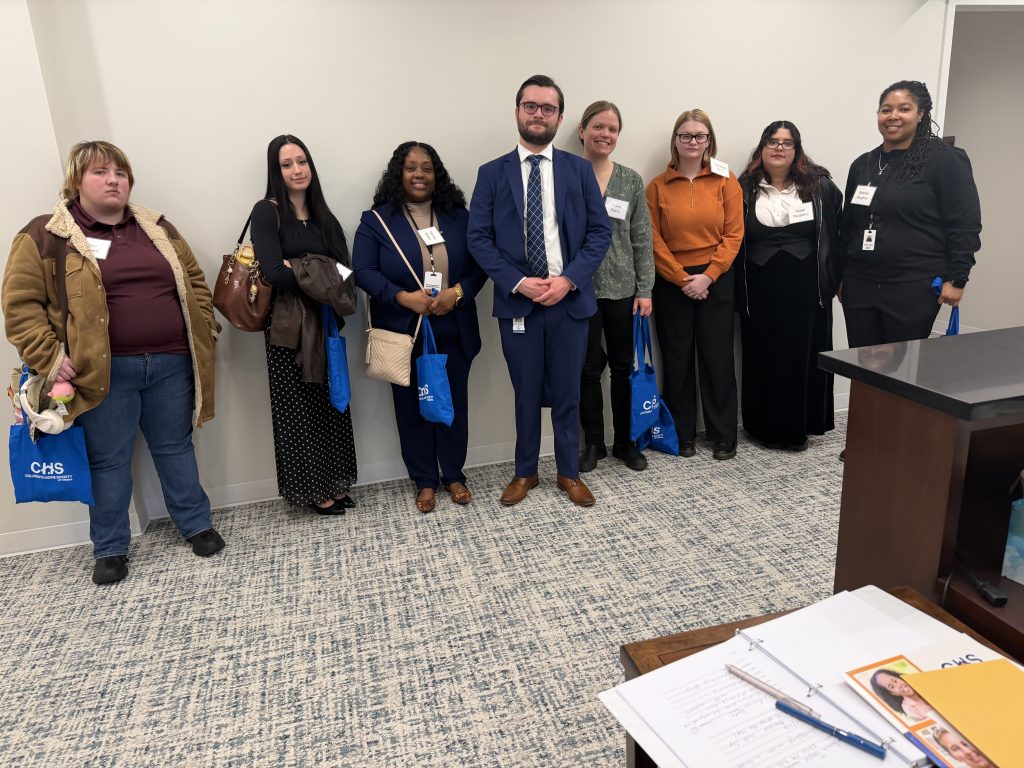
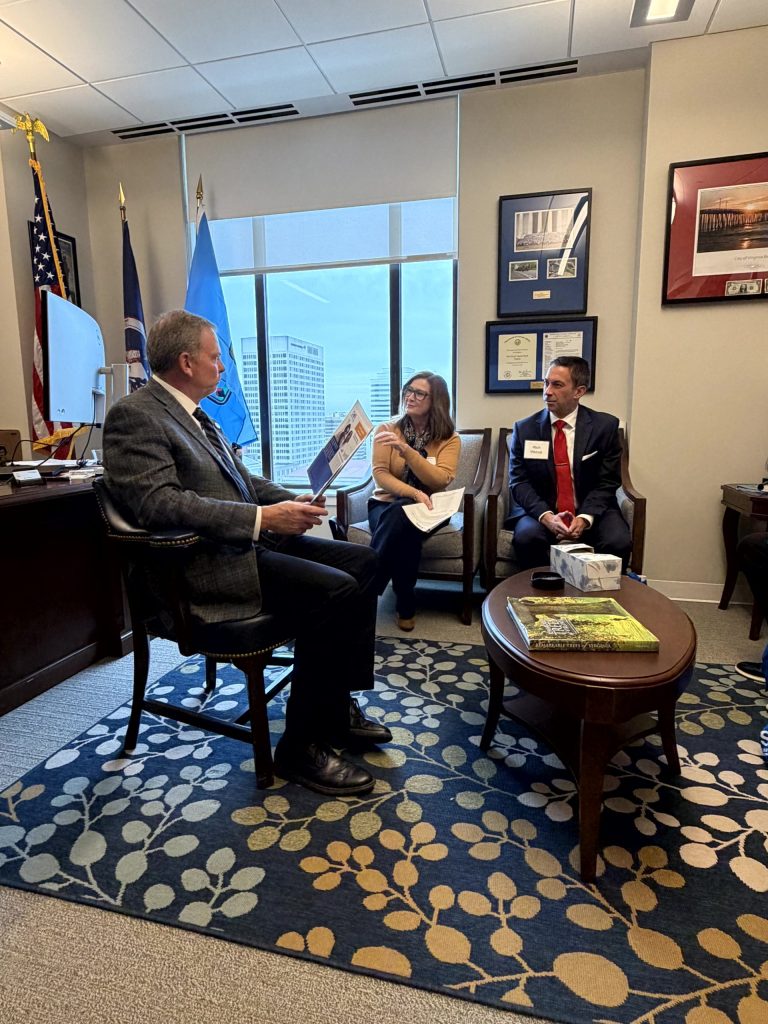
During Advocacy Day 2026, those realities were front and center. This year marked CHS’s largest and most impactful Advocacy Day yet, with more than 70 attendees, including youth with foster care experience, adoptive and foster families, staff, board members, and partner agencies.
Throughout the morning, attendees connected with more than 45 legislative offices, meeting directly with legislators and staff, and ensuring that every office received information about key priorities. But what made the day especially meaningful was who was in the room.
Youth and families didn’t just attend—they spoke. Several young people, including participants from My Path Forward (MPF) and Wendy’s Wonderful Kids (WWK), shared their experiences in small group meetings with legislators. These conversations gave lawmakers a firsthand look at the foster care system through the eyes of those who have lived it.
What Advocates Spoke Up For
Advocacy Day wasn’t just about sharing stories. It was about pushing for real, actionable change. Conversations with legislators focused on several key priorities:
- Expanding kinship care and prevention efforts to help children stay connected to family and avoid entering foster care when safe and possible
- Extending support for youth who have aged out of foster care, ensuring they aren’t left to navigate adulthood alone
- Stabilizing the social services workforce, including increasing minimum salaries for caseworkers
The need for workforce stability was a major focus. Caseworkers across Virginia face a turnover rate close to 50%. Many hold advanced degrees, are on call for crises, and carry the responsibility of protecting vulnerable children, yet are often underpaid.
This kind of turnover has real consequences. For children in foster care—who already experience frequent change—a consistent, reliable caseworker can make a meaningful difference. Stability in these roles helps build trust, improve outcomes, and create a stronger support system for youth.
What Is Kinship Care and Why Does It Matters
Kinship care is when a child is placed with someone they already know and trust, like a grandparent, aunt, older sibling, or close family friend, rather than with a traditional foster family. It keeps kids connected to their roots, their routines, and the people who make them feel safe. And that matters more than people realize.
When children can stay with someone familiar, it helps reduce the trauma that often comes with entering foster care. They’re more likely to stay in the same school, keep relationships with siblings, and hold onto a sense of normalcy during a time that can feel anything but normal.
Kinship care also tends to lead to better long-term outcomes. Kids placed with relatives are more likely to experience stability and less likely to move from home to home. It gives them a stronger foundation, emotionally and mentally, while bigger decisions about their future are being made.
But here’s the catch: many kinship caregivers step in with little to no preparation or support. They often face financial strain, legal hurdles, and limited access to resources.
That’s why expanding access to kinship care, and making sure those caregivers have the support they need, is such an important part of the conversation. It’s not just about placement. It’s about setting kids up with the best possible chance to feel secure, supported, and connected.
My Path Forward: Supporting Youth After Foster Care
My Path Forward is CHS’s program focused on one of the most overlooked parts of the foster care system—what happens after youth age out of care. When support ends at 18 (or shortly after), many young people are suddenly expected to navigate adulthood completely on their own. This program helps bridge that gap.
My Path Forward works with young adults who have experienced foster care and are transitioning into independent living. It connects them with practical support like guidance around housing, employment, education, budgeting, and everyday life skills. Just as importantly, it provides consistent relationships—people they can turn to when things get overwhelming or uncertain.
The goal is simple: help young people not just survive after foster care, but build a stable foundation for adulthood. For many youth, that support can be the difference between stability and crisis.
When young people age out of foster care without strong support systems, the risks increase quickly and significantly. Research consistently shows that within a few years of leaving care:
- A large portion experience homelessness at some point
- Many face unemployment or unstable job situations
- College completion rates remain low compared to their peers
- Young women are at higher risk of early pregnancy
- Young men are more likely to experience involvement with the justice system
These outcomes are not about a lack of potential—they’re about a lack of support at a critical turning point.
Most youth are still learning how to manage basic adult responsibilities when the system steps away. Things like securing housing, maintaining income, and navigating healthcare are difficult even with support. Without it, the challenges stack up fast.
That’s why programs like My Path Forward matter. They extend the safety net just a little further—long enough for young people to gain footing, build confidence, and move toward independence with real support behind them.
Because aging out of foster care shouldn’t mean aging out of opportunity.
Why Advocacy Still Matters
At its core, Advocacy Day is about making sure the right voices are heard in the rooms where decisions are made.
Through legislative meetings, ongoing training, and events like Advocacy Day, CHS remains committed to elevating the voices of children, youth, and families involved in foster care. When those with lived experience are part of the conversation, policies become more informed and more impactful.
Just as important, the day created space for connection. Attendees built relationships across organizations, strengthening a shared commitment to improving the foster care system in Virginia. Other participating partners included:
- Voices for Virginia’s Children
- HopeTree Family Services
- Encircle
- Impact Living Services
- Virginia Home for Boys and Girls
- C2Adopt
- Intercept Health
- Greater Richmond SCAN
- Center for Adoption Support and Education (CASE)
- Connect With a Wish
Because real change doesn’t happen in isolation—it happens when people show up, speak out, and work together.
How You Can Support Foster Care Advocacy in Virginia
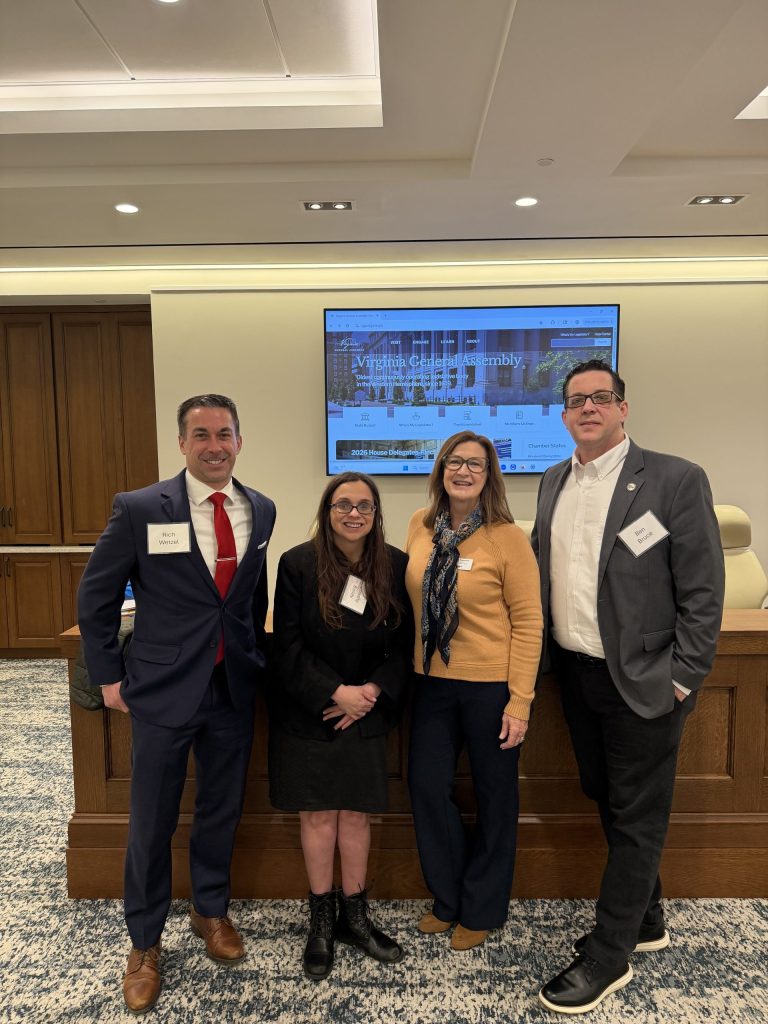
One of the most direct ways to support children and families in foster care is by reaching out to your local legislators. Every person in Virginia has elected officials who represent their district, and those voices matter. When constituents speak up, it helps lawmakers understand what issues are important to the communities they serve.
If you’re not sure who represents you, you can easily find your legislators using the “Who’s My Legislator?” tool online.
Public awareness also plays a major role in creating change.
“In terms of making systemic change, we need to spread more awareness to the general public. As a state, we have so many youth aging out of foster care, and it’s something the general public needs to be aware of. Having more conversations will ultimately reach the people who can adopt.” – Cassie Plevelich, CHS Chief Operating Officer
If you’re interested in learning more about advocacy or how to get involved in supporting CHS’s work, you can connect directly with Cassie Plevelich at 804-353-0191 or [email protected].