 In January, VPM and 19RED released a new documentary titled “Aged-Out: Finding Home” that provides awareness of The Possibilities Project, a privately funded program for youth ages 18 to 25 who have aged out of the traditional foster care system in Virginia, as well as provides awareness of the difficulties faced by these youth.
This documentary also follows the story of the advocacy teams and families who are trying to improve Virginia’s statewide care system so that youth in the foster system can have better outcomes and find permanent homes instead of aging out of the system onto the streets.
Filming this documentary presented many challenges. Director Pam Hervey took the time to answer many questions about the behind-the-scenes process and what she took away from the documentary.
Keep reading for our Q&A.
Documentary Q&A | Behind-the-Scenes
- How did the idea for the documentary come about?
Several years ago, I was involved in Impact 100 Richmond, which is a collective giving organization that grants $100,000 to a deserving organization(s) that is transforming our community through their program. As the grants committee chair of the Family category, I shepherded my committee through the review of a number of grants applications and subsequent site visits. This was part of the process of choosing one application from our Family category to make a presentation to the larger membership in the quest for the $100,000 grant. The Possibilities Project was our committee’s chosen grant application, and it was during that time I met Nadine Marsh-Carter and Greta Harris. The Possibilities Project was awarded the $100,000 grant from Impact 100 Richmond that year. The information I learned through that process never left my mind.
- How many people worked on the documentary?
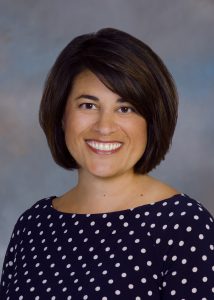
Pam Hervey, Director
Because of the sensitive nature of the subject matter, I couldn’t use the big production crews that something like this might require. The youth in The Possibilities Project wanted me, and me only. That was the only way they would share their story on camera. So, I became a one-woman production crew. It was important at all times to be non-invasive so they would act naturally in front of the camera. There was one moment in the documentary that was especially poignant in the story of one of the youth, and I was unable to be present due to a family obligation. By that time in my production, there was no way that I could bring a stranger in to shoot this event; it would have disturbed the entire situation. So, I trained Kristen Turso-Whitlow on one of my tiny cameras, and she shot that day. It’s one of the best moments in the doc, and I’m glad we found the solution.
- Please describe the creative process of shooting a documentary, from conception to final editing.
There’s no formula. A documentary is not a 30-second commercial. You can’t make a storyboard and shoot everything based on a thought out production plan. You have to stay flexible. I was often finding out about activities the day before I shot them. Sometimes, they were early morning; sometimes they were late at night. There’s no formula for editing something like this either. I spent a lot of the summer editing in a dark part of our house. There were several times that I burst into tears watching and re-editing certain parts of the documentary because of the stories being told and the gravity of it all. So, editing took a little longer than I expected it would.
- Did you face any challenges while filming?
Simply, the biggest challenge was being the one-woman production crew. It was difficult but necessary. Otherwise, the project wouldn’t have happened at all. This was by far the hardest work that I have physically and mentally accomplished in my career, so I’ll always regard it with a great amount of pride in my abilities to tell a story even when my body hurt from holding a camera steady for as long as possible.
- How long did the process take?
One year. I received my funding in September of 2018, and I was having a meeting with the staff and youth in The Possibilities Project by October of 2018. I finished editing in October of 2019. The time span actually shown in the documentary is over a seven month period.
- What did you learn from shooting this documentary?
I already knew a lot about the struggles youth face when aging out of the system because I had done my research. However, when I met and worked with the women who manage the Possibilities Project, and the men and women involved in advocacy of these issues, I was overwhelmed by their ceaseless dedication to getting this right for the youth in the Commonwealth. It wasn’t completely unexpected, but the depth of their commitment to the issue was incredible.
- What was the most rewarding aspect of shooting this documentary?
Finishing it! I had hours and hours of footage, and I only had 56:46 minutes to tell the story because that’s the standard length for public television. It wasn’t easy. There are a thousand different ways to tell the story of youth that age out of foster care and the organizations that are helping these youth become contributing members of our society. The final version of the documentary is the one in a thousand that I could tell with the footage that I got. Hopefully, it will resonate with viewers.
- What was it like working with CHSVA?
Wonderful. They granted me access to a very sensitive part of what they do every day, and I’m sure that wasn’t easy for them to do. They were generous with their time, and they were transparent in their answers to questions because they understood the greater objective of creating awareness. They trusted me to tell the story the right way, and I hope that I did.
The documentary includes interviews with four youth who were in The Possibilities Project, as well as:
- Nadine Marsh-Carter, President, Children’s Home Society of Virginia
- Greta Harris, CEO, Better Housing Coalition
- Allison Gilbreath, Voices for Virginia’s Children
- Suzanne Grable, New Kent Department of Social Services
- Senator Montgomery Mason
- Delegate Emily Brewer
- Governor Ralph Northam
Below, you can watch the trailer:
To watch the hour-long documentary in its entirety, click here.
What Now? How to Support Youth Aging Out of Foster Care
At Children’s Home Society of Virginia, we believe every child deserves a home. For 120 years, we have been dedicated to our mission of service to children and families in the commonwealth.
Currently, there are nearly 1,000 children waiting for an adoptive family in Virginia. Of those 1,000 children, 33% are 13 years of age or older. Together, we can change the grim outcomes for youth who age out of foster care.
When youth age out of the foster care system, the outcomes are usually devastating. Statistically speaking, youth become incarcerated and homeless. Youth also don’t graduate and face higher rates of unemployment, substance abuse, teen pregnancy, and domestic violence. Within two years:
- One in four will be incarcerated
- One in five will be homeless
- Fewer than one in six will graduate from high school
These statistics are why the Children’s Home Society of Virginia partnered with the Better Housing Coalition to create The Possibilities Project.
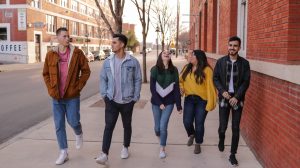 The Possibilities Project aims to support youth with a stable housing environment, work prospects, as well as social and emotional therapy so that they continue to thrive and learn how to be self-sustaining and independent.
We would love it and greatly appreciate it if you could contribute to The Possibilities Project in any way you can. No amount is too small.
If you are unable to donate, spread the word! Awareness is the first step to creating better outcomes for these children. Share this blog post, and share the documentary link. “Like” our Facebook page and share our posts. You can also subscribe to The Possibilities Project and Foster Care Advocacy Blog (below) to stay up-to-date on new developments.
If you want more information, get in touch with us today: 804-353-0191